
 by
by Retail, hospitality and leisure sectors are operating with many challenges right now – margins are tight, operating costs are rising, and as customer spending continues to be stagnant due to rising pressures on consumers, it is a perfect storm. For retail, hospitality and leisure businesses, it feels like the rules keep changing and the stakes are higher than ever.
With every challenge, there’s an opportunity, a chance to rethink, rewire, and respond to what your customers actually want. At Retail Inspired, we’re seeing businesses lean in to some of these challenges and not retreat in the current economic environment. Here’s a few smart ways businesses could review and adapt to grow their offer and gain customer confidence and loyalty.
Mobile is the Window to your Brand
Today’s customers start the buying process on their phone, browsing, booking, ordering, comparing prices with your competitors. It’s the storefront, the menu, the ordering desk, and the fitting room. If the mobile experience isn’t seamless and user-friendly, you’re losing customers before they even walk through your (physical or digital) door.
Many businesses are now investing in mobile friendly websites and seamless payment systems. For example restaurants are making ordering seamlessly straightforward and hotels are streamlining mobile check-in and concierge services. This is no longer considered an additional service, it’s increasingly becoming an expectation.
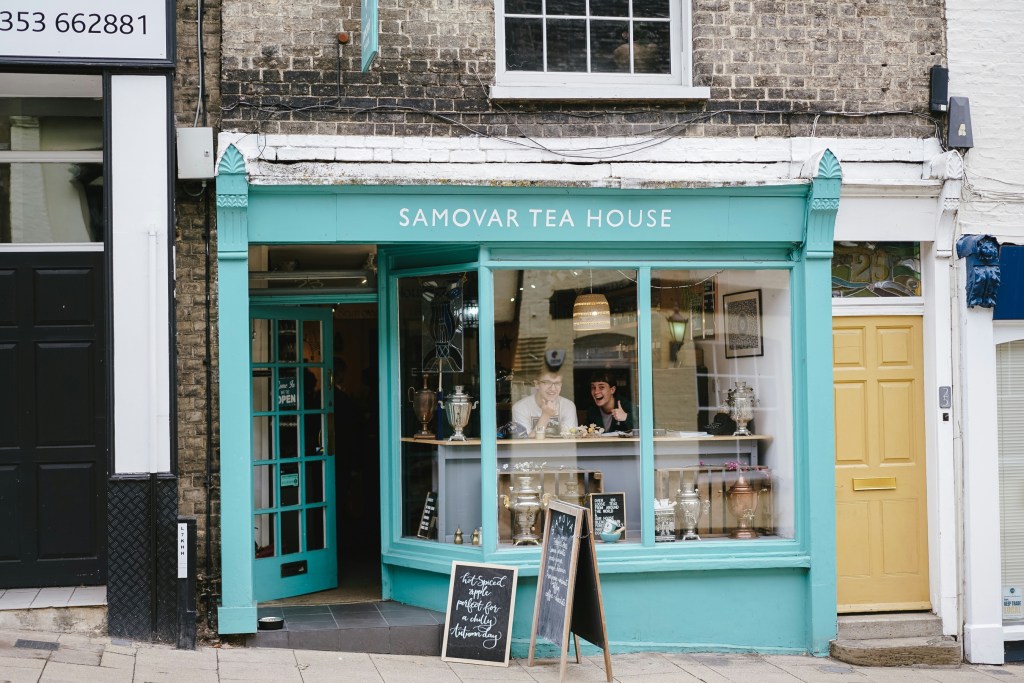
Physical Stores Still Matter, but Technology can’t be an Afterthought
Despite the rise in digital, physical spaces still play a huge role. Customers still want to see, touch, try, and interact in real life, especially for certain products or services. Retail and service led venues are built around experiences, from the store, the restaurant, the hotel reception, these all serve as brand theatres. But increasingly customers now expect their physical experiences to include digital convenience.
So by considering click-and-collect services that work smoothly, including store staff with access to updated stock information and technology that actually enhances the customer experience, including payments and loyalty that connects across all platforms, is essential to gain and retain loyalty.
The physical space is still just as relevant, but only if it’s connected. Technology isn’t replacing the human touch; it’s simply enabling it to be faster, smarter, and with greater personalisation.
AI: From Buzzword to Business Driver
AI is no longer optional for businesses, it’s operational and if used well, will helps predict demand, optimise stock, personalise local offers, and assist businesses make faster decisions.
Some businesses are using AI to tailor their promotions with personalised recommendations and hospitality brands are forecasting occupancy with more precision. Service businesses are automating support without losing the human touch. AI isn’t replacing people, it simply makes their work more effective. It can give teams time to focus on what really matters and that’s optimising the customer experience.

Social Media is a Selling Platform
Social media isn’t just about marketing, it’s where demand is created for your brand.
We’ve all seen just one TikTok trend that can empty shelves in moments with a local influencer driving sales or bookings for a venue. Social media platforms such as Instagram are influencing customers to make purchases and becoming a direct sales channel. Customers trust what they see from real people and that’s why retail, hospitality, and leisure brands are investing in organic content, local creator partnerships, and real-time engagement to build sales.
It’s not about being on every platform, it’s about showing up where your customers are, with content that speaks their language.
Connected Customers want Connected Brands
Customers don’t think in silos, they expect one experience, from the first click to the final interaction. Customers want to shop online and return in-store. They want to book a table from their phone and get greeted by their name when they arrive. They expect service to be seamless whether it’s on a screen or face-to-face with personalisation.
This is where integration matters. Brands that align their systems, teams, and data around the customer are delivering the kind of consistency that builds lasting trust and loyalty.

Tough Conditions, Smart Moves
It is a challenge for businesses, but these challenges have a way of exposing what’s working and what’s not for your brand. The businesses that are keeping up to date with technology right now aren’t doing everything, but they’re doing the right things for their customers, including:
- Prioritising mobile
- Using AI to stay responsive
- Showing up on social media with a purpose
- Creating seamless in-store technology experiences
- Connecting the customer journey from digital to physical
In our next blog we will be exploring how consumers shop on social media platforms and how businesses could develop strategies to increase engagement and sales.
If you would like more retail insights, stay connected and sign up to receive our blog at retailinspired.org and follow us on Instagram for updates.
 retailinspired.org
Leave a comment